"In summary, WHO recommends exclusive breastfeeding for the first six months of an infant's life. Thereafter, local, nutritious foods should be introduced, while breastfeeding continues for up to two years or beyond. Followup formula is therefore unnecessary. In addition, follow-up formula is not a suitable substitute for breast milk, due to its content."
WHO: Information concerning the use and marketing of follow-up formula - pdf, 165kb - 17 July 2013
See: Did you ever wonder what's in... ? Breastmilk - Formula - download pdf
Ten steps to successful breastfeeding (revised 2018)
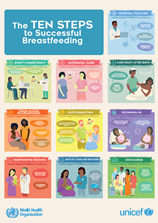 WHO and UNICEF launched the Baby-friendly Hospital Initiative (BFHI) to help motivate facilities providing maternity and newborn services worldwide to implement the Ten Steps to Successful Breastfeeding. The Ten Steps summarize a package of policies and procedures that facilities providing maternity and newborn services should implement to support breastfeeding. WHO has called upon all facilities providing maternity and newborn services worldwide to implement the Ten Steps.
The implementation guidance for BFHI emphasizes strategies to scale up to universal coverage and ensure sustainability over time. The guidance focuses on integrating the programme more fully in the health-care system, to ensure that all facilities in a country implement the Ten Steps. Countries are called upon to fulfill nine key responsibilities through a national BFHI programme:
Download poster
Ten steps to successful breastfeeding
also see: WHO and UNICEF issue new guidance to promote breastfeeding in health facilities globally
Protecting, promoting, and supporting #breastfeeding in facilities providing maternity and newborn services: the revised Baby-friendly Hospital Initiative 2018 - Implementation guidance
Critical management procedures
1a. Comply fully with the International Code of Marketing of Breast-milk Substitutes and relevant World Health Assembly resolutions.
1b. Have a written infant feeding policy that is routinely communicated to staff and parents.
1c. Establish ongoing monitoring and data-management systems.
2. Ensure that staff have sufficient knowledge, competence and skills to support breastfeeding.
Key clinical practices
3. Discuss the importance and management of breastfeeding with pregnant women and their families.
4. Facilitate immediate and uninterrupted skin-to-skin contact and support mothers to initiate breastfeeding as soon as possible after birth.
5. Support mothers to initiate and maintain breastfeeding and manage common difficulties.
6. Do not provide breastfed newborns any food or fluids other than breast milk, unless medically indicated.
7. Enable mothers and their infants to remain together and to practise rooming-in 24 hours a day.
8. Support mothers to recognize and respond to their infants’ cues for feeding.
9. Counsel mothers on the use and risks of feeding bottles, teats and pacifiers.
10. Coordinate discharge so that parents and their infants have timely access to ongoing support and care.
There is substantial evidence that implementing the Ten Steps significantly improves breastfeeding rates. A systematic review of 58 studies on maternity and newborn care published in 2016 demonstrated clearly that adherence to the Ten Steps impacts early initiation of breastfeeding immediately after birth, exclusive breastfeeding and total duration of breastfeeding.
Why it is important to share and act on this information
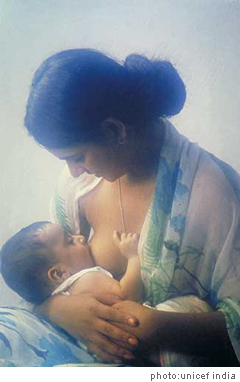 Babies who are breastfed are generally healthier and achieve optimal growth and development compared to those who are fed formula milk.
Breastmilk makes the world healthier, smarter, and more equal: these are the conclusions of a new Lancet Series on breastfeeding. The deaths of 823,000 children and 20,000 mothers each year could be averted through universal breastfeeding, along with economic savings of US$300 billion. The Series confirms the benefits of breastfeeding in fewer infections, increased intelligence, probable protection against overweight and diabetes, and cancer prevention for mothers. The Series represents the most in-depth analysis done so far into the health and economic benefits that breastfeeding can produce. - The Lancet
Infants who are not breastfed are at an increased risk of illness that can compromise their growth and raise the risk of death or disability. Breastfed babies receive protection from illnesses through the mother's milk.
Breastfeeding is the natural and recommended way of feeding all infants, even when artificial feeding is affordable, clean water is available, and good hygienic conditions for preparing and feeding infant formula exist.
If a mother is HIV-positive, there is a risk that she can transmit HIV to her baby through breastfeeding. Counselling can help her carefully weigh the risks and make an informed decision on which feeding option is best for her baby and most manageable for her.
Almost every mother can breastfeed successfully. All mothers, particularly those who might lack the confidence to breastfeed, need the encouragement and practical support of the baby's father and their families, friends and relatives. Health workers, community workers, women's organizations and employers can also provide support.
Everyone has the right to information about the benefits of breastfeeding and the risks of artificial feeding. Governments have a responsibility to provide this information. Communities as well as media and other channels of communication can play a key role in promoting breastfeeding.
“What if governments had a proven, cost-effective way to save babies’ lives, reduce rates of malnutrition, support children’s health, increase educational attainment and grow productivity?
They do: It’s called breastfeeding. And it is one of the best investments nations can make in the lives and futures of their youngest members – and in the long-term strength of their societies.”
– Anthony Lake, UNICEF Executive Director
Launch of Medical and Health Internet-in-a-Box - South Asia Edition
|
 Collaborating with Wiki Project Med Foundation and HealthPhone, Internet-in-a-Box has developed an offline distribution system for medical and healthcare content geared specifically to South Asia. Collaborating with Wiki Project Med Foundation and HealthPhone, Internet-in-a-Box has developed an offline distribution system for medical and healthcare content geared specifically to South Asia.
The Internet-in-a-Box (IIAB) device is a complete single-board computer with an in-built Wi-Fi hotspot that allows for easy distribution of information in places where access to the Internet is limited, controlled, not affordable or simply unavailable. Within a range of 50 to 100 meters, up to 32 people can connect to the device with a mobile phone or computer to access and download its content, free of any cost. It also functions as a mini app store in that those connected to it can download and install a number of offline apps. IIAB does not offer a connection to the Internet or to content beyond that stored in the Box itself.
The 32 Gb microSD card (included contains: Over 1,000 HealthPhone healthcare & nutrition videos across 22 Indian languages, 47 HealthPhone mobile apps across 18 Indian languages, All of Wikipedia Medical Encyclopaedia in English and Farsi, Full Wikipedia in 23 Indian Languages, The Global Emergency Medicine Wiki, and Children for Health’s 100 Health Messages in 5 Indian languages.
Medical and Health Internet-in-a-Box is available for the costs of the hardware, taxes and shipping (₹1,999. / US$30.).
More Info | Online example | Buy online
|
2017 Maternal Health campaign
|
 |
We recently partnered with Mediaplanet UK on the 2017 Maternal Health campaign in The Guardian newspaper and online. Read motivating insight from thought leaders and learn more about what it takes collectively to reduce maternal mortality. #GlobalMaternalHealth #MaternalHealth
Bridging the Knowledge Gap: Educating Mothers to Help Them and Their Children Live.
Mobile phones are the surprising tool improving maternal health
One of the most powerful relationships in global health and development is between a mother’s education and her child’s chances of survival. Simply put: “The more educated a mother, the less likely her child is to die. … Behind every preventable child death is a disempowered mother” says Leith Greenslade, Co-Chair of Child Health, MDG Health Alliance. |
HealthPhone™  Poshan | Nutrition Mobile Apps Poshan | Nutrition Mobile Apps
|

 |
Get in 18 Indian Languages
Assamese • Bengali • English • Garo • Gujarati • Hindi • Kannada • Khasi • Konkani • Malayalam • Manipuri • Marathi • Mizo • Odia • Punjabi • Tamil • Telugu • Urdu
The apps address issues of status of women, the care of pregnant women and children under two, breastfeeding and the importance of a balanced diet, health and simple changes in nutritional care practices that can notably enhance nutrition levels.
They reinforce the following key messages:
- Expecting mothers should get the correct diet and 25% more than usual.
- Mother’s first milk is the best, do not throw it away, make sure the child gets it.
- For the first 6 months the child should only be fed mother’s milk and nothing else.
- When the child enters the 7th month, balance mother’s milk with a nutritious diet.
|
|
HealthPhone™ Food & Nutrition Mobile Apps
|

|
Get in 18 Indian Languages
Assamese • Bengali • English • Garo • Gujarati • Hindi • Kannada • Khasi • Konkani • Malayalam • Manipuri • Marathi • Mizo • Odia • Punjabi • Tamil • Telugu • Urdu
These apps reinforce the following key messages:
- Adequate Complementary Feeding
- Anaemia: Blood and Iron Deficiency
- Importance of a Balanced Diet
- Correct Norms of Infant & Young Child Feeding
- Importance of Infant and Young Child Nutrition
- Iodine: The Importance of Iodised Salt
- Nutrition of the Child
- Vitamin A
- Navjaat ki Suraksha
- Diet During Pregnancy
- Healthcare during Pregnancy
|
|
HealthPhone™ Nutrition Handbook for the Family Mobile Apps
|

|
Get in 11 Indian Languages
Bengali • English • Gujarati • Hindi • Kannada • Malayalam • Marathi • Odia • Tamil • Telugu • Urdu
These apps reinforce the following key messages:
- Personal and household hygiene
- Keeping food safe and clean
- Foods are very important for the body
- Iron makes the body strong
- Vitamin A keeps the body healthy
- Iodine makes the body function properly
- Food for pregnant women and breast-feeding mothers
- Feeding babies aged 0-6 months
- Feeding young children aged over 6 months
- Feeding school-age children and youth
- Food and care for older people
- Feeding sick people
- Preventing and managing malnutrition
|
Once installed, all these apps work offline; they do not require a connection to a mobile network. All videos and files are included within the mobile app. Mobile apps developed in partnership with HealthPhone by The Centre for Development of Advanced Computing (C-DAC), Hyderabad, a research and development organization under the Ministry of Electronics and Information Technology, Government of India.
|
Subscribe to Breastfeeding & Nutrition Daily
Free email newsletter. Custom-curated news, research, evidence, developments, resources, tips,
practical advice and thought-provoking opinions, guidelines from medical authorities on diagnosis,
treatments, symptoms, causes and risk factors, tests, training tips, photos, videos, feedback
from the field and much more for mothers and health professionals in today's
Breastfeeding & Nutrition Daily!
Laying the Foundation for Combating Malnutrition in India
The importance of balanced nutrition and healthAn initiative of
HealthPhone™, conducted under the aegis of Indian Academy of Pediatrics, in partnership with the Ministry of Women and Child Development, UNICEF, Aamir Khan and with support from Vodafone.
It is the
World's Largest Programme to Battle Malnutrition amongst Mothers and Children.
The objective of this nationwide campaign against malnutrition is to address issues of status of women, the care of pregnant mothers and children under two, breastfeeding and the importance of balanced nutrition and health. The focus is on women between 13 and 35 years of age and their family members.
The four Poshan videos are hosted on a dedicated WAP page
iaphealthphone.org and accessible to all Vodafone India subscribers on their mobile phones.
Vodafone India subscribers can also give a missed call on 1 800 120 8989 (toll-free) to receive a link to the WAP page via SMS.
 The Lancet Breastfeeding Series The Lancet Breastfeeding Series - January 28, 2016
With a substantial development of research and findings for breastfeeding over the past three decades, we are now able to expand on the health benefits for both women and children across the globe. The two papers in this Series will describe past and current global trends of breastfeeding, its short and long-term health consequences for the mother and child, the impact of investment in breastfeeding, and the determinants of breastfeeding and the effectiveness of promotion interventions.
New Research Shows That Breastfeeding Matters Everywhere and Could Save Millions of Lives and Dollars
"Political commitment and investment in breastfeeding by governments, donors, employers and civil society is urgently needed to ensure the health of women and children and to shape a more sustainable future for all. UNICEF and the World Health Organization, in partnership with close to 20 organizations, are leading the charge to mobilize global action to raise political and financial investment to support breastfeeding. Together, we are working to remove barriers to breastfeeding and to give women the tools they need to make informed decisions to ensure their health and the health of their children for generations come."
Werner Schultink, Chief of Nutrition at UNICEF
Breastfeeding saves lives and it’s time for action |
Featured Videos
 Ten Steps to Successful Breastfeeding videos as a playlist - YouTube
Ten Steps to Successful Breastfeeding video in Marathi
Breastfeeding Channel videos on HealthPhone
Featured Resources
WHO: Promoting proper feeding for infants and young children

Facts for Life: Breastfeeding -
factsforlife.org
 Why it is important •
All key messages •
Resources
Why it is important •
All key messages •
Resources
Supporting information for key messages:
1 •
2 •
3 •
4 •
5 •
6 •
7 •
8
The Baby-friendly Hospital Initiative (BFHI) is a global effort by UNICEF and the World Health Organization to implement practices that protect, promote and support breastfeeding. It aims to ensure that all maternities, whether free standing or in a hospital, become centers of breastfeeding support. Hospitals and maternity units set a powerful example for new mothers.
The "Ten Steps to Successful Breastfeeding" are the foundation of BFHI and summarize the maternity practices necessary to support breastfeeding. A maternity facility can be designated 'baby-friendly' when it does not accept free or low-cost breastmilk substitutes, feeding bottles or teats, and has implemented these 10 specific steps to support successful breastfeeding.
WABA
 World Alliance for Breastfeeding Action [WABA]
WABA is a global network of organizations and individuals who believe breastfeeding is the right of all children and mothers and who dedicate themselves to protect, promote and support this right. WABA acts on the Innocenti Declaration and works in liaison with UNICEF.
Breastfeeding Gateway
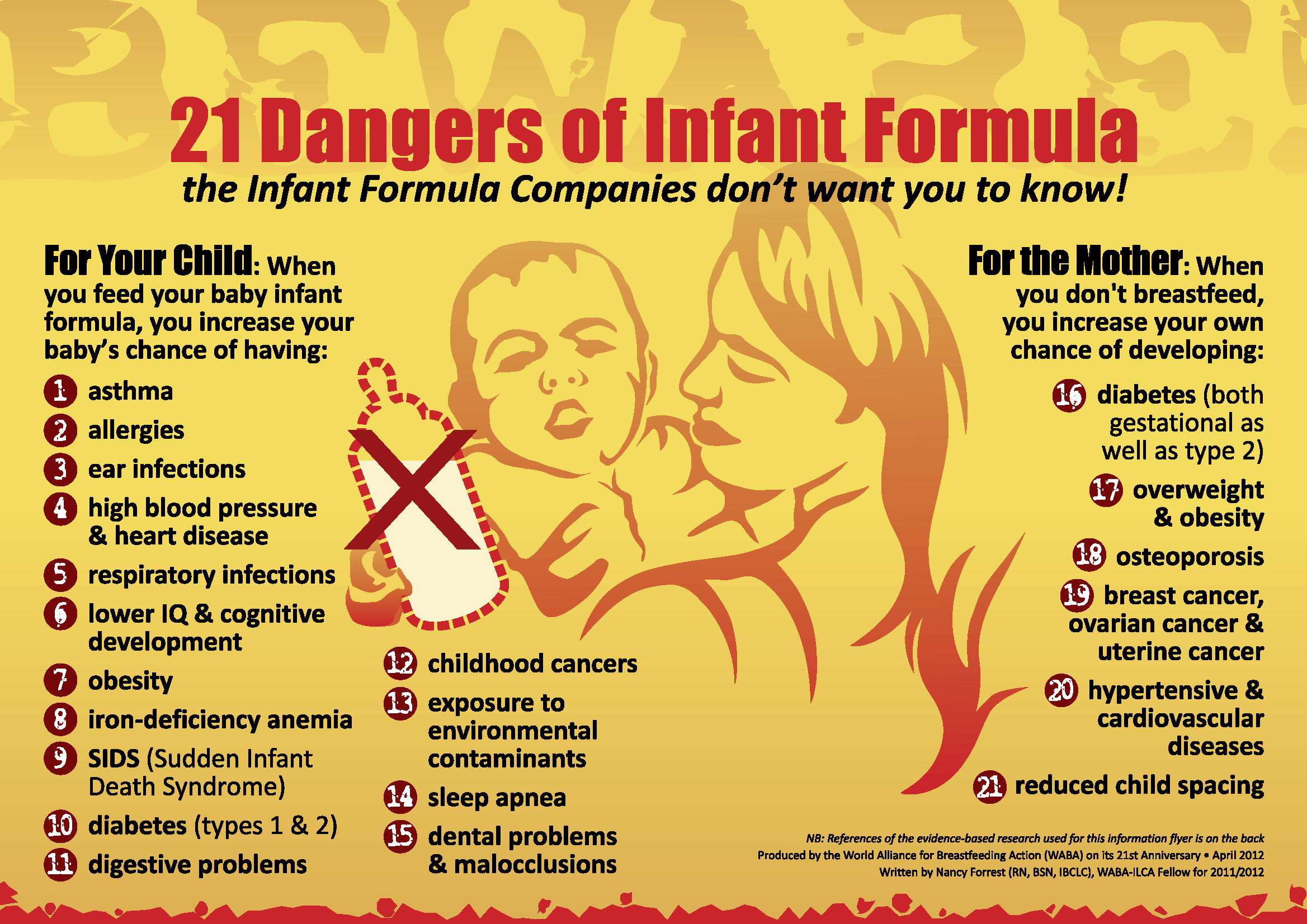
21 Dangers of Infant Formula
 Poster by World Alliance for Breastfeeding Action, July 2012 Poster by World Alliance for Breastfeeding Action, July 2012
download pdf 2 pp. 4.0 MB
The poster shares information on the effects that Formula companies do not want you to know about. The evidence based references and sources of information are presented on the back of the poster.
|
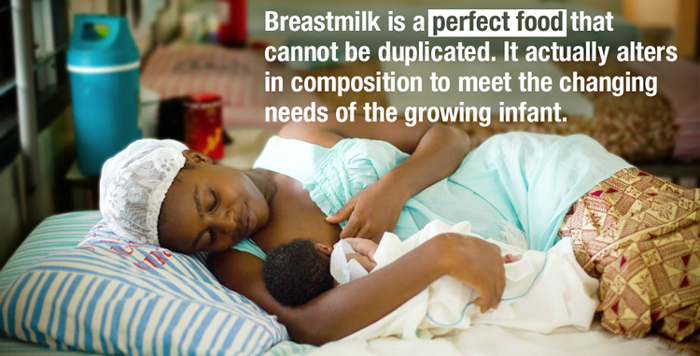
The Benefits of Breastfeeding - Bill & Melinda Gates Foundation